Browsing Ligand-Receptor Interaction in Brain Diseases
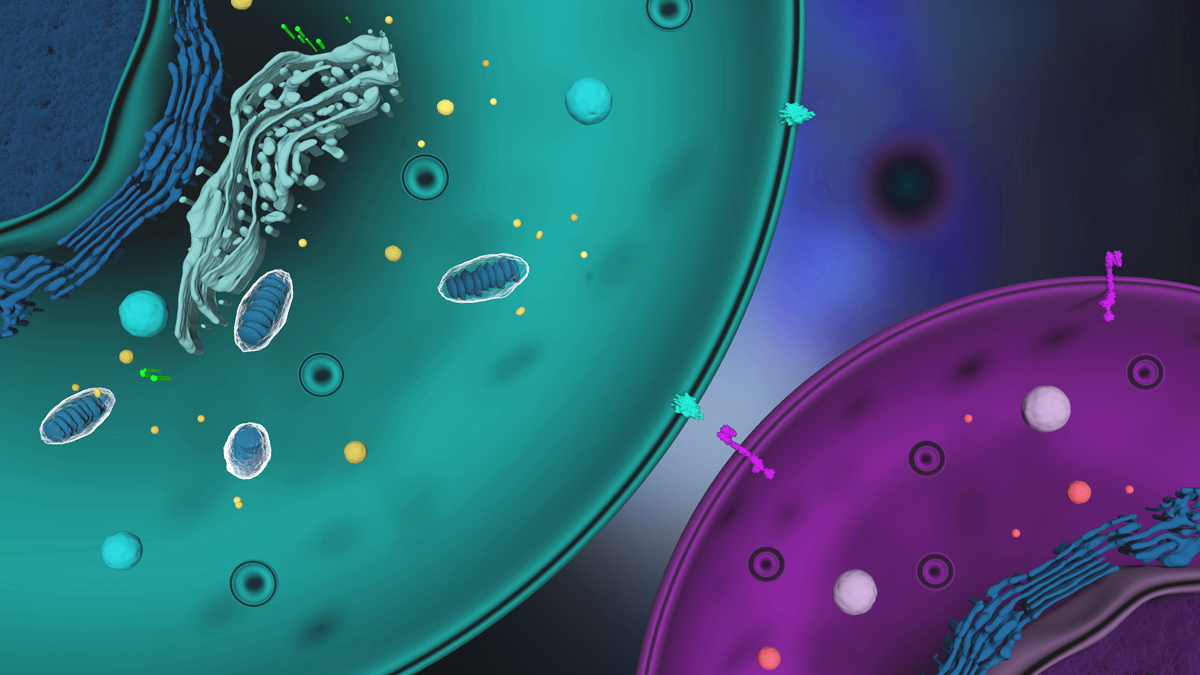
Ligand-receptor interactions are fundamental to cell-cell communication, governing a wide range of physiological and pathological processes. In the context of brain diseases, these interactions are critical for maintaining cellular homeostasis, modulating immune responses, and facilitating neurodevelopmental and neurodegenerative processes. Disruptions in ligand-receptor signaling pathways have been implicated in various neurological disorders, including Alzheimer’s disease, Parkinson’s disease, and multiple sclerosis. To aid researchers in identifying key ligand-receptor pairs associated with brain diseases, this interactive browser provides a curated dataset that enables users to explore cell-specific interactions. By leveraging this tool, scientists can pinpoint disease-relevant signaling pathways, uncover novel therapeutic targets, and gain deeper insights into the molecular mechanisms driving pathological conditions. The ability to filter interactions based on ligands, receptors, source cells, and target cells empowers researchers to tailor their analyses to specific biological contexts, accelerating the discovery of new intervention strategies.