Browse Brain Cell Type
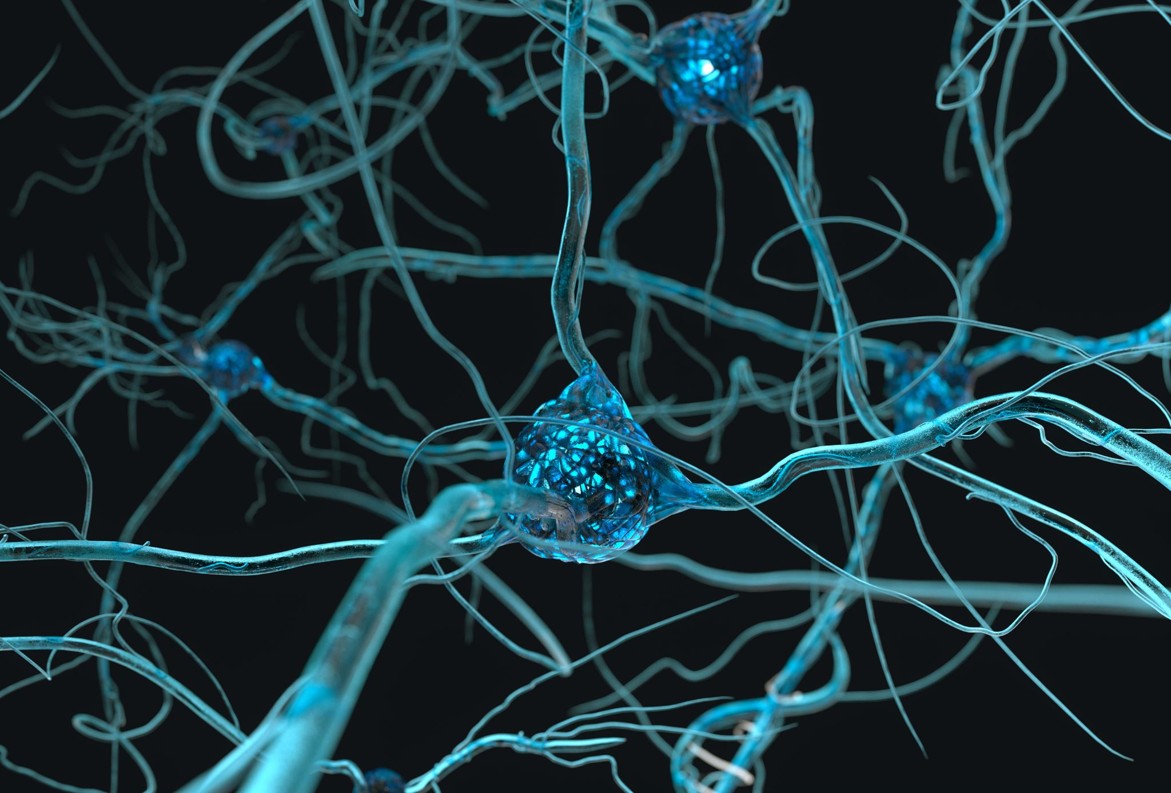
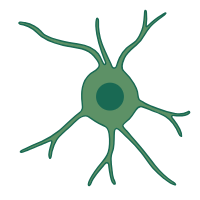
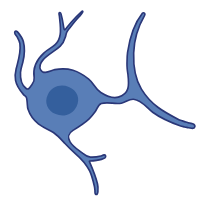
Brain cells orchestrate essential signaling networks and intercellular interactions that underlie both neural function and disease progression. In the BDCD database, we focus on major brain cell types—including excitatory and inhibitory neurons, astrocytes, oligodendrocytes, microglia, endothelial cells, pericytes, and VLMCs—to explore their roles in cell–cell communication and disease-associated signaling. By integrating ligand–receptor interaction profiles, BDCD enables users to investigate how specific cell types contribute to the pathogenesis of Alzheimer’s disease, Parkinson’s disease, multiple sclerosis, and other brain disorders, revealing targetable pathways and cell-specific signaling hubs. This page allows users to browse data and analysis results from a cell-centric perspective, helping to uncover how distinct brain cell types participate in disease-associated communication networks.